Revisiting the Ramones at 50 through their sound, style, and legacy
 Liz Worth
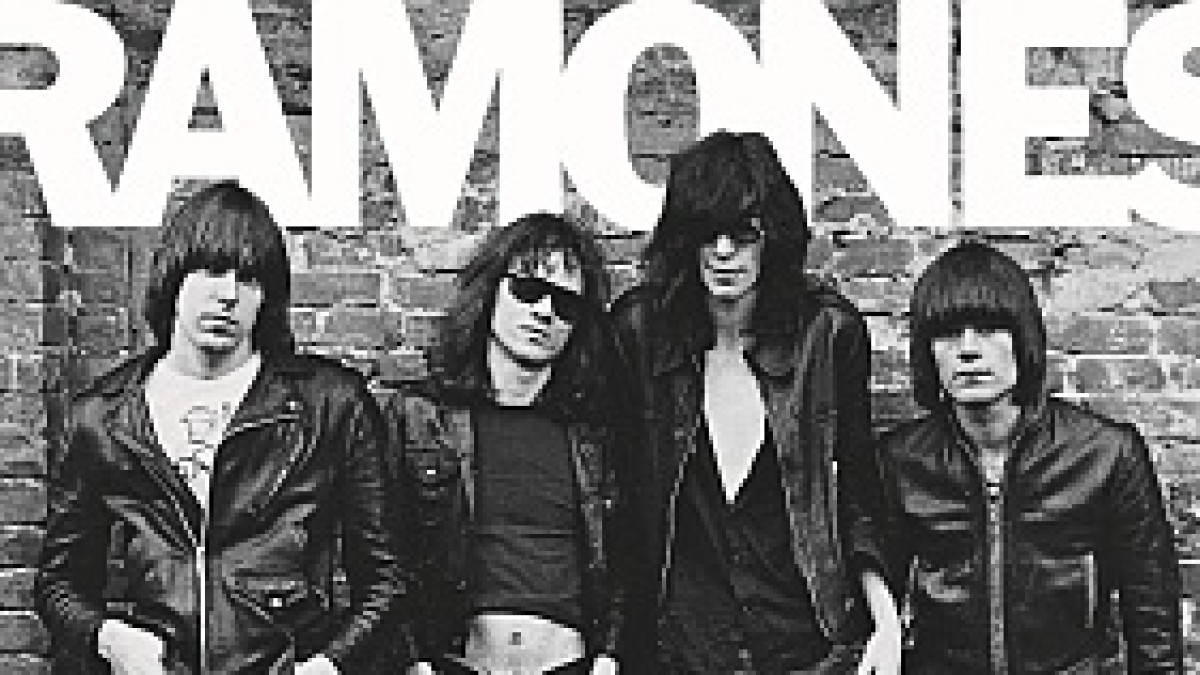
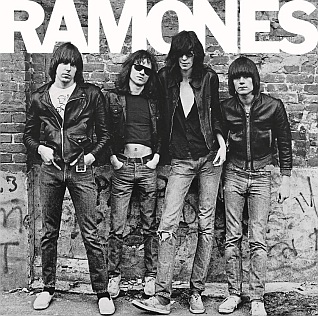
The Ramones' debut album was released on April 23, 1976. It changed everything.
Do you remember the first time you heard the Ramones? They are one of those bands that catalyzes listeners. In the half-century since the release of their self-titled debut album, the Ramones have worked like a global virus, altering the mental and spiritual composition of everyone who hears them.
They got me in middle school, when bands like Nirvana and Soundgarden dominated the charts. It was the mid ‘90s, and I was on the cusp of teenagedom. Surprisingly, I’d been mostly afraid of contemporary music up until then – a strange thing to admit as someone whose identity largely revolves around music now. But I came into the world around the same time as music videos: MTV launched in 1981, and Canada’s MuchMusic followed in 1984.
As a kid growing up in the ‘80s, the music landscape was full of intimidating, larger-than-life images, all teased hair and spiked heels and tight leather pants. I didn’t know it was for show or style (or irony). To me, it looked big and scary, and so I avoided a lot of it.
I preferred the Beach Boys, with their endless summer sounds and sensible striped t-shirts.
But by the mid ‘90s, I was more confident in exploring music. I’d become obsessed with music videos, watching MuchMusic for hours on end some days. That was how I discovered the Ramones. Their video for “Pet Sematary” aired after school one day, on an alternative show called the Wedge, hosted by Sook-Yin Lee. I loved the sound of the song, and the graveyard setting. That weekend, I went to the mall to look for Ramones tapes.
I came home with Loco Live, recorded in Mexico. It contained over 30 songs, including “Pet Sematary,” and gave an astonishing glimpse into the Ramones live, which as fast and chaotic as you’d expect. There was no break between songs: It was “one, two, three, four” into the next.
When most of your songs are under three minutes, it’s easy to pack a setlist.
The Ramones were influenced by the Beach Boys, so it was a natural progression for me to move from one band to the next, in spite of the bands’ vastly different images. As my musical tastes continued to grow, the Ramones kept popping up. I’d see them name-checked in fanzines by bands who listed their influences. I’d see their posters in the headshops I frequented downtown.
It’s hard to imagine it today, but in 1976, nothing sounded like the Ramones. The further out you get from a moment in time, the more context gets lost. The Ramones provided a template that bands still rely on 50 years later and counting. Their sound has become so commonplace that it’s easy to overlook their importance.
It doesn’t help that the Ramones were early victims of the Millenium’s mall kiosk fashion. Graphic tees exploded in popularity in the early 2000s, and the Ramones’ logo was commonly appropriated throughout shops like Urban Outfitters, Forever21, and Hot Topic. The ubiquity of those Ramones t-shirts might have fostered cynicism among some fans: Are the Ramones just an image? Do they remain a surface-level novelty, something that gets thrown into the hamper on laundry day?
In spite of the Ramones’ massive line of merchandise, they never achieved the level of commercial success many believe they are due. It wasn’t until 2014 that their debut album, Ramones, was certified gold. Thirty-eight years after its release, the album had reached sales of 500,000 copies.
It might feel like a bitter pill to swallow on behalf of the Ramones: All that mall merchandising really didn’t lead to many record sales, did it? But there’s a bigger cultural current to look at here: This is a band who influenced generation after generation of punk artists, including first-wave acts like the Sex Pistols, whose debut album sales sky rocketed beyond the Ramones: the single “God Save the Queen” sold upwards of 150,000 copies within its first week, and Never Mind the Bollocks sold a million copies in the U.S. alone.
This is just one example of a mentee surpassing the mentor. Bands like the Damned, the Beastie Boys, Generation X, and many others have gone on to cite the Ramones as important inspiration in their own formation. When the Ramones played in Toronto in 1976, it sparked that city’s punk movement into action. It’s been said that everyone who was at that show that night went out and started a band.
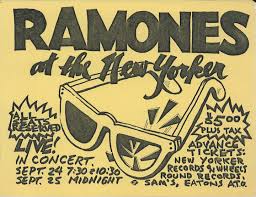
It’s not hard to believe when you look at the number of punk acts that Toronto alone produced.
And yet there’s something else to be said about taking inspiration from artists who struggled to attain mainstream appeal. For all the massively successful bands that the Ramones inspired, there are countless others who, like the Ramones, struggled to get their due. This is punk, after all: It started as a confrontation, a reaction against the mainstream. You can’t expect to be embraced by what you’re trying to repel.
Still, it’s tempting to wonder what the world would have been like if the Ramones hadn’t come along. Even on an individual level, we might wonder what the gateway drug would have been for those of us who were brought into the world of punk via the Ramones.
Would punk have happened anyway? Maybe. The New York Dolls, T. Rex, Television, and the Velvet Underground were also influencing the shape of things to come at that time. But without the Ramones in the mix, punk might have looked and sounded a lot different.
The Ramones provided a stark, stripped-down alternative to the laborious, meandering sounds of the early 1970s. But they’ve also provided an important pathway into punk rock for generations. They are the perfect band for kids who are beginning to discover music: It’s bubblegum pop, but the kind that’s stuck to the bottom of your shoe instead of fresh from the pack. It’s leather jackets and Converse shoes and tinted sunglasses – a simple but effective uniform that sends a signal to other outsiders to say, “Hey, I see you. Do you see me?”
Writing this on the 50th anniversary of the Ramones’ debut, it’s both sad and celebratory to recognize the full impact of this record. In revisiting this incredible self-titled album, I’m reminded at how focused it sounds. While many punk bands would later replicate the Ramones’ stripped back style, this record has a distinct point of view. Fifty years later, it still sounds fresh and alive – though each track hints at what was to come from punk culture a few years down the road.
“Beat on the Beat” sounds like the big brother to the Sex Pistols’ “God Save the Queen” in its opening bars. In “Judy is a Punk,” you can hear foreshadowing of the Buzzcocks and Undertones. “I Wanna Be Your Boyfriend” and “Let’s Dance” (a Chris Montez cover) were throwbacks to the Ramones ‘50s and ‘60s influences, paved the way for bangs like the B-Girls and the Go-Go’s to play on their retro alliances with pride.
“Chain Saw” could be a sister song to the Damned’s own gruesome curiosities heard in songs like “Fan Club” and “Born to Kill.” The countdowns and chants in “Blitzkrieg Bop” and “Now I Wanna Sniff Some Glue,” along the lyrical content, would be much replicated as punk became more standardized.
The track “53rd and 3rd” was written by Dee Dee Ramone and was described as autobiographical, inspired by male sex work. Aggressive and confessional, this was another song that created a template for what punk would explore for years to come: Shocking admissions, violent imagery, and brutal honesty.
The Ramones were not pretending at punk. While their image and sound have been borrowed countless times over, the Ramones were not a novelty act. Like many early punk bands, the Ramones were comprised of individuals who didn’t easily fit into regular society. Punk was a small but collective turning point, a loose gathering place for people for whom the status quo was no longer working. This energy runs consistently through the Ramones debut album, and their broader history as one of the most successful bands that never made it big.
Like many artists of their time, the Ramones’ story is full of “what ifs?”: What might have been if different opportunities had been taken, or been available? But I would argue that no other punk band has been as influential as the Ramones: They are due credit across the board. Whether younger punk artists are aware of how far back that family tree goes at this point or not, it can all be traced back to these New Yorkers. And that’s an incredible accomplishment to claim.
Categories: : punk, the ramones